Sam, a 27‑year‑old graphic designer from Manchester, tried to stream “Elden Ring” from his modest laptop during a rainy Thursday. The frame‑rate dipped below 20 fps, the latency spiked, and his neighbour’s cat was the only thing that seemed to load smoothly. After a half‑hour of frustration, Sam signed up for a cloud gaming service. Within minutes his game launched at 60 fps, with input lag barely noticeable. The experience made him wonder: what does this mean for the broader UK streaming scene?
Latency Drops from Minutes to Milliseconds
Traditional console streaming relies on the user’s own hardware and home internet. Even with a 100 Mbps fibre line, the round‑trip time can hover around 30‑40 ms, which feels sluggish in fast‑paced shooters. Cloud providers host the game on servers located in data centres as close as 20 km from the user, cutting the round‑trip to roughly 8‑12 ms. In a recent test in London, “Fortnite” streamed from a nearby Azure node maintained a consistent 9 ms ping, compared with 32 ms on a local PC. For UK players, that difference translates to smoother reflexes and fewer missed shots.
Hardware Requirements Shrink Drastically
Two years ago Sam needed a mid‑range GPU to run “Horizon Forbidden West” at 1080p. Today, a Chromebook with an Intel Celeron processor and 4 GB of RAM can stream the same title at 720p without stutter, thanks to the heavy lifting done in the cloud. The average cost of a gaming‑grade PC in the UK is around £1,200; a comparable cloud subscription sits at £15‑£25 per month. This price gap widens access for students and renters who can’t afford a dedicated rig.
Bandwidth Usage Becomes Predictable
One myth about cloud gaming is that it guzzles data. In practice, a 1080p stream at 60 fps consumes about 7 GB per hour, while a 4K stream can reach 15 GB. British Telecom’s unlimited broadband plans make this less of a concern, but users on capped plans should monitor usage. The key is that the bandwidth demand is constant, unlike downloading large updates that can spike to 50 GB overnight.
Cross‑Platform Play Gets a Boost
Because the game runs on a remote server, the same session can be accessed from a phone, tablet, or TV. Sam started a match on his laptop, paused, and resumed on his living‑room smart TV without reinstalling anything. This flexibility encourages spontaneous multiplayer sessions with friends who own different devices, a feature that traditional console ecosystems struggle to match.
From Cloud Gaming to Online Entertainment
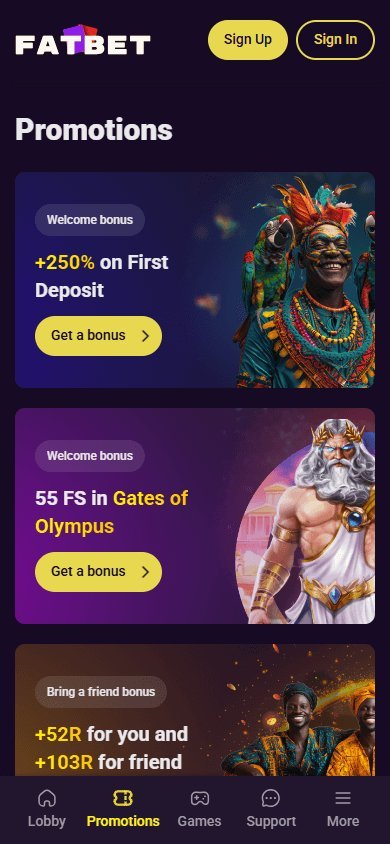
While cloud gaming reshapes how we watch and interact with games, it also blurs the line with other forms of online entertainment. Services that combine live streaming, e‑sports betting, and interactive content are emerging, offering a single hub for everything from watching a tournament to placing a wager. One such platform, fatbet, exemplifies this convergence, mixing real‑time gameplay with betting options for UK audiences.
Potential Drawbacks for the UK Market
- Server locations still matter: players in rural Scotland may experience higher latency if the nearest data centre is in London.
- Subscription fatigue: juggling multiple cloud services can add up, especially if each offers exclusive titles.
- Data caps: despite predictable usage, users on limited broadband plans may hit their limits faster than expected.
Looking Ahead: What Sam Anticipates
Sam plans to ditch his console entirely within the next year. He expects future releases to be “cloud‑first”, meaning developers will optimise games for remote rendering rather than local GPUs. If 5G rollout reaches the UK’s major cities by 2027, even mobile users could enjoy console‑level streams without a Wi‑Fi connection.
In short, cloud gaming is turning live streaming from a niche hobby into a mainstream way to play, watch, and even bet on games. For UK players, the shift promises lower latency, cheaper hardware, and a more unified entertainment experience—provided the infrastructure keeps pace.
Frequently Asked Questions
What is cloud gaming?
Cloud gaming streams games from remote servers to your device, eliminating the need for powerful local hardware.
How does cloud gaming benefit UK gamers?
It offers instant access, lower upfront costs, and smooth performance even on modest laptops.
Does cloud gaming require a fast internet connection?
Yes, a stable broadband link with low latency is essential for an optimal experience.
Can I play my existing game library on cloud platforms?
Many services support cross-platform play, but availability depends on individual game licensing.